
How Tight Should a Cat Collar Be?
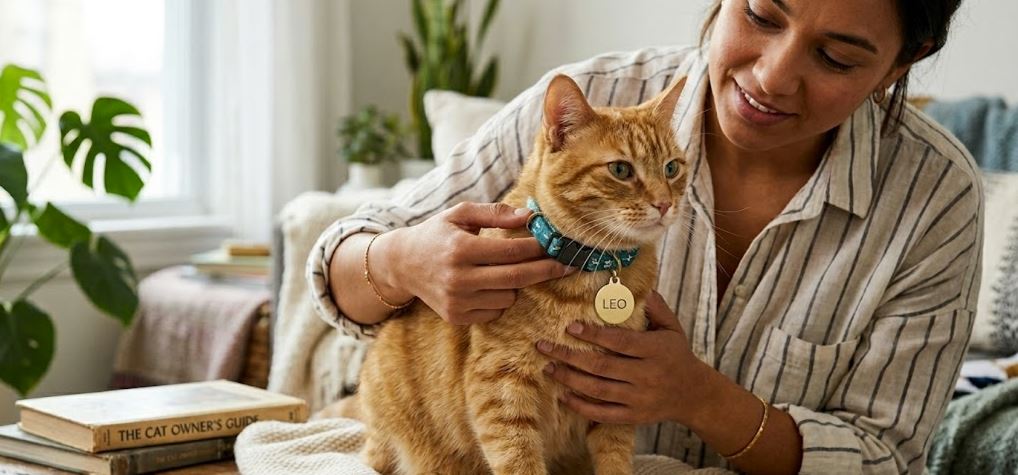
How Tight Should a Cat Collar Be?
A Simple Fit Guide for Cats & Kittens
A cat collar should be snug — but never tight.
Too loose, and your cat can slip out of it.
Too tight, and it can cause discomfort, irritation, or even injury.
If you’re wondering how tight a cat collar should be, here’s the simple rule:
You should be able to fit two fingers comfortably between the collar and your cat’s neck.
That’s it. But let’s break it down properly.
The Two-Finger Rule (The Gold Standard)
The safest and most widely recommended way to check collar fit is the two-finger rule.
Here’s how:
- Fasten the collar.
- Slide two fingers between the collar and your cat’s neck.
- Your fingers should fit comfortably — not squeezed, not loose.
If you can’t fit two fingers, the collar is too tight.
If you can fit more than two easily or the collar slides around excessively, it’s too loose.
This rule works for:
- Adult cats
- Indoor cats
- Outdoor cats
- Kittens (with more frequent checks)
Why Proper Fit Matters
A properly fitted cat collar is about more than comfort.
Too Tight Can Cause:
- Fur loss around the neck
- Skin irritation
- Pressure sores
- Restricted movement
Too Loose Can Cause:
- Slipping out of the collar
- Getting a paw caught underneath
- Increased risk of snagging
Fit directly impacts safety — especially if your cat wears a collar daily.
How Tight Should a Breakaway Cat Collar Be?
If your cat wears a breakaway collar, the fit rule is the same: two fingers.
The breakaway clasp is designed to release under pressure if the collar gets caught. But it only works properly when:
- The collar isn’t overly tight
- The collar isn’t excessively loose
A properly adjusted breakaway collar gives your cat freedom of movement while maintaining safety.
Special Considerations for Kittens
Kittens grow quickly — sometimes faster than you realize.
If you’re fitting a collar on a kitten:
- Check the fit weekly
- Adjust as needed
- Choose a lightweight collar
- Make sure it includes a breakaway clasp
Because kittens are smaller and more active, proper fit is especially important.
A collar that fit perfectly two weeks ago may already be too tight.
Signs Your Cat’s Collar Doesn’t Fit Properly
Watch for:
- Scratching excessively at the collar
- Fur thinning around the neck
- Difficulty swallowing or grooming
- The collar rotating constantly under the chin
- The collar slipping off easily
If you notice any of these, remove the collar and refit it.
Should Cats Wear Collars All the Time?
If properly fitted and designed with a breakaway clasp, most indoor cats can safely wear collars full time.
Monterey is an indoor cat. She wears hers daily — not because we expect her to make a dramatic escape attempt, but because identification matters.
Doors get left open. Guests forget to close them. Accidents happen.
A properly fitted collar with ID is the fastest way for someone to know your cat has a home.
Quick Fit Checklist
Before your cat wears their collar full-time, confirm:
- Two fingers fit comfortably
- Collar is lightweight
- Breakaway clasp is functional
- ID tag is secure
- No sharp edges or rough seams
Comfort + safety always come first.
Our Take
A cat collar should feel secure, not restrictive.
When fitted correctly, most cats forget they’re wearing one within a few days. The key is choosing a lightweight, breakaway collar and checking the fit regularly — especially for growing kittens.
Because the right collar isn’t just about style.
It’s about safety, comfort, and peace of mind.